Tire Replacement Guide: When You Need New Tires
Car maintenance is all about making sure it runs for a long time. The thing that some people fail to pay attention to is the safety aspect. Over time, your tires’ performance degrades, something that a set of new tires will solve.
The problem with this is that some car owners don’t see the signs and aren’t too sure when they need to replace them. This, unfortunately, leads to some serious safety concerns, something I’ll be happy to help with.
In today’s article, I’ll be going over several signs that indicate that you need to replace your tires. Not all of them are equally terrible, but it’s important to know what to look out for.
Signs Your Tires Need Replacing
Even though tires don’t have a warning light on them, there are still ways in which you can determine if you need to replace them or not. I’d like to point out that some of these don’t indicate immediate danger, but are red flags nonetheless.
Low tread depth
This one’s obvious, but let me explain why. A new tire will have a certain tread depth, usually hovering around 10/32 to 12/32 of an inch, with some winter and off-road capable tires reaching 15/32 of an inch. From the first moment you start to drive, the tire begins to wear down, and the tread depth drops.
After thousands of miles, you’ll reach a point when the tread depth is approaching a dangerous limit. This is a problem, especially for driving in wet conditions or winter. The legal minimum is 2/32, and I say start shopping at 4/32 of an inch. Once the depth begins to drop, you’ll notice that the tire doesn’t resist hydroplaning as it used to or struggles on snow or slush.
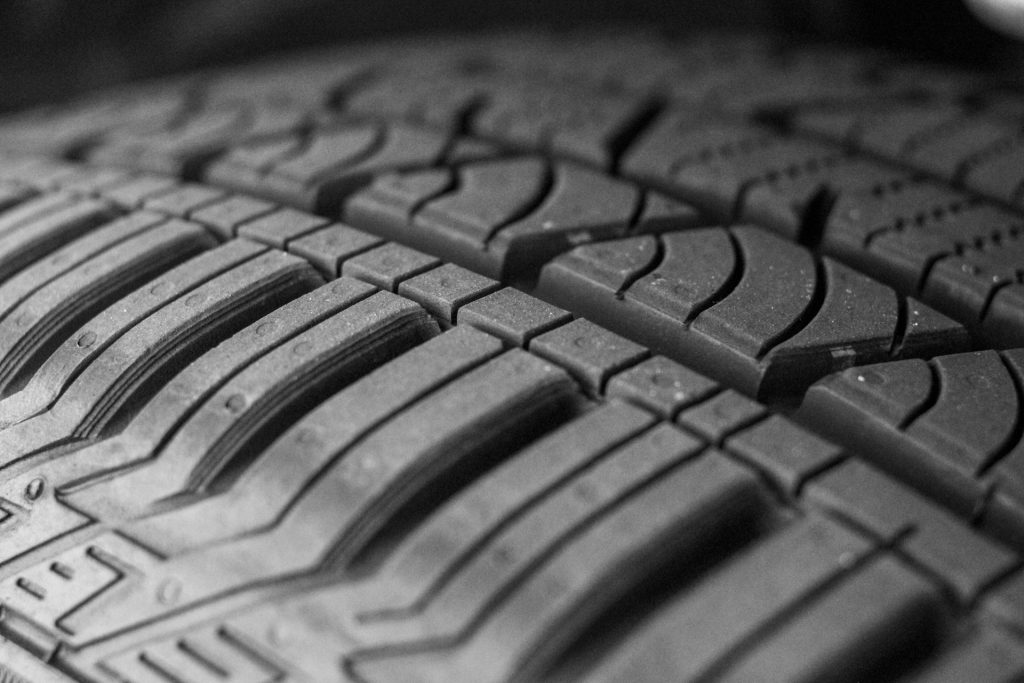
This is because the volume of water, snow, or slush that goes in the channels and grooves reduces, and the tire can’t handle the same amount. You might not notice any massive issues on dry roads, but you will understand what I’m trying to say in any other non-ideal situation.
Uneven wear across the tire
Uneven wear in a tire is a situation when one side or patch of the tire’s tread depth is lower than the others. There are multiple kinds of uneven wear, but the thing you’ll need to know now is that it’s not a good thing to see. Regardless of whether the wear is more extensive on one side or a patch, it means you’ll need a new set of tires.
The biggest problem some car owners have is that they replace the tires and hope for the best. Uneven wear happens mostly due to incorrect pressure, poor alignment, or issues with the suspension. The first one is easily solvable, but for the other two, you’ll need a professional to diagnose the problem and fix it before getting the tires replaced.
Cracks in the sidewall
A tire is made of rubber, and regardless of how advanced tires these days are, there’s still one thing that manufacturers can’t eliminate, and that’s aging tires. When the rubber is new, it’s soft and pliable, which is what gives it the grip and traction we need. As the tire ages, the rubber loses its “softness,” and you end up with an old tire.
With the grip aside, the biggest tale that you have old tires is the cracks on the sidewall. These happen because even though the rubber stiffens, the tire still flexes and creates small cracks. As soon as you see these, it’s a good idea to start shopping for a new set of tires.
Bulges or bubbles
Bulges or bubbles aren’t a common sight on a tire’s sidewall, but seeing one is a cause for concern. Even though a tire is made of rubber, the internal construction also includes steel and a few other materials. They work in usnison to ensure the shape remains as close to perfect as possible at the optimal temperature.
This kind of damage happens from hitting a pothole or a curb at significant speeds. Seeing a bulge or bubbles means that the internal construction is damaged and the tire is a ticking time bomb, literally. The tire could last for another 2 years, but you could experience a blowout the next time you’re going over a speed bump.
Vibration while driving
This is probably the hardest thing to identify because there are a ton of reasons why you may feel them. If it’s the tires, you’re probably looking at balance issues, bulges or bubbles, or uneven wear. If it’s a balance problem, then you’ll need to head over to your favorite tire shop to have them checked. For the other two, you can do it yourself.

The main reason this is tricky to pinpoint is that there are other components that will cause vibrations. Wrapped rotors will vibrate under braking, suspension can be the issue or it could be the alignment. If the tires look okay and have no visible damage, you should head over to the tire shop.
Tire pressure problems
It’s normal for tires to lose pressure over time, but it’s not normal for one tire to lose pressure more than the others. This isn’t the most common sight, but it can happen, especially if there’s damage. In most cases, there’s some kind of damage at the bead, the part that sits on the wheel.
The problem here is that most people think it’s the valve, replace it, and problem solved. If you’re in this situation, and the tire loses pressure, then it’s probably the tire or a bent wheel. This is why a tire technician should inspect them.
Keep an Eye on the Tires
The tires are the only part of the entire car that’s in contact with the road, which gives you an idea of how essential they are. They help us steer, accelerate, and brake, so having them in the best shape possible is a priority. A good and healthy set of tires will keep you safe, so make sure to keep an eye on them. Don’t forget to watch for the signs I outlined so you know when it’s time to replace them.
FAQs
Can I replace just one tire?
It’s not recommended that you replace just one tire, despite being able to. One new tire means the amount of grip and traction on one corner of the car won’t be on the same level as the others, which would put unnecessary strain on the components.
Is a penny test enough to check the tread depth?
Yes, the penny test is enough to check the tread depth and general idea of how much life you have in your tires. It’s not as precise as a gauge, but it gets the job done.
How to check the age of the tires?
You can check the age of the tires by looking at the 4-digit number stamped on the sidewall. The first 2 numbers are the week, and the second two numbers are the year. For example: 2324 means that the tire was manufactured in the 23 week of 2024.