Why Stellantis Offloaded Brampton Assembly to Roshel?
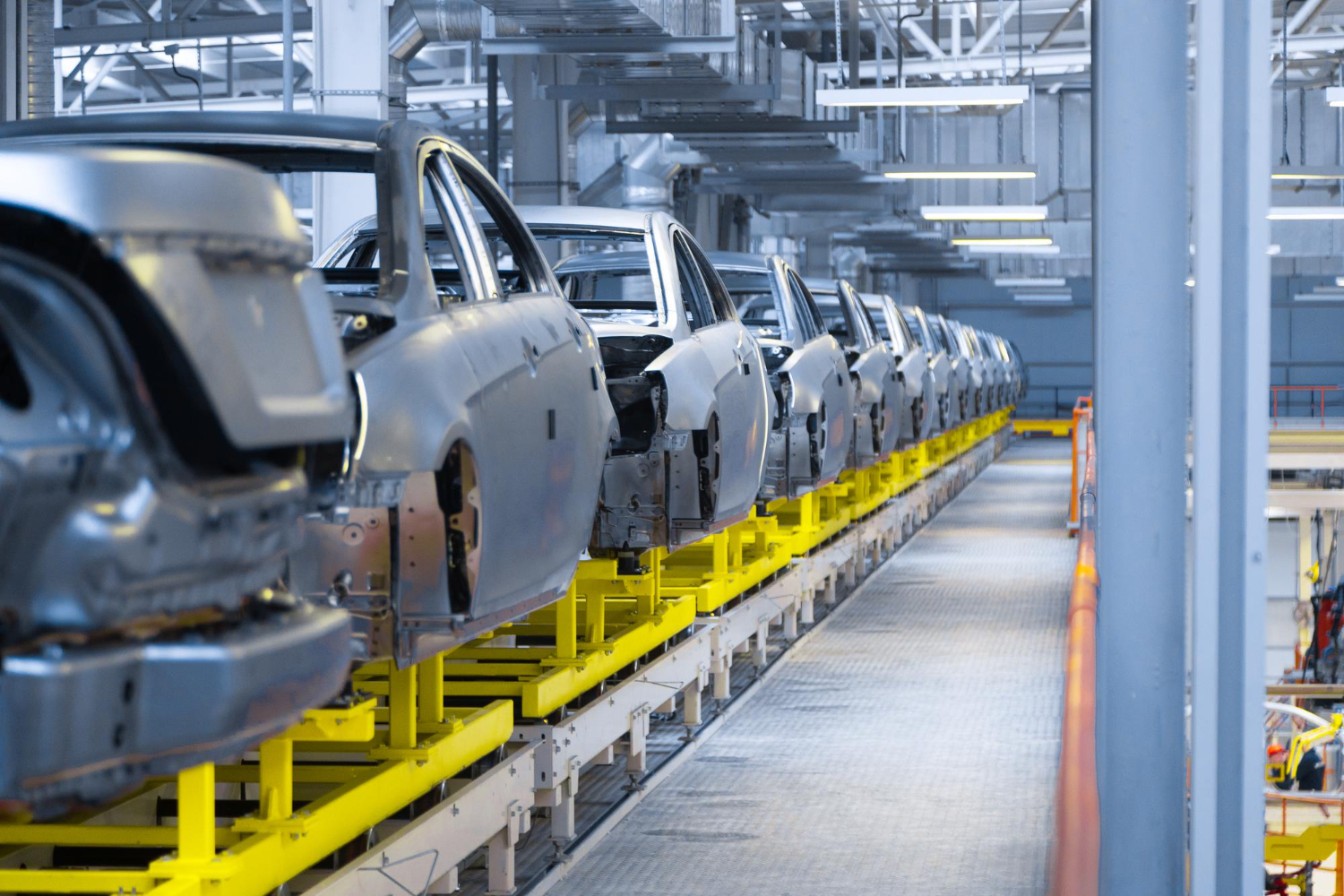
For almost 40 years, the Brampton Assembly in Ontario was the birthplace of some of the most notable names in this company’s history. From the Eagle Premier, Dodge Monaco, and Crystler’s sedans like Concorde and Intrepid, to the Dodge Charger and Dodge Challenger, this factory was the place that defined Chrysler’s performance identity.
Back in 2023, the last Chrysler 300C rolled off the assembly line and no one cried about it, which I’m not at all surprised. At the time, the idea was for Stellantis to shut down the factory temporarily and prepare it for the next generation of non-performance vehicles. 3 years after that, things took a turn for the worse, and on November 9, 2026, Stellantis signed an asset purchase agreement to sell the plant and equipment to Roshel Inc. Yes, that Roshel, the company behind the Senator armored vehicle.
As you may have guessed, the news triggered a firestorm in Ottawa, and most people weren’t too happy about this. On the one hand, I can understand the decision to do this, but on the other, the problem isn’t the plant, it’s bad management and poor strategy, which Stellantis is known for. So, what happened, and how did we end up here?
Why Did The Brampton Assembly Get Sold?
To understand why the sale to Roshel ignited backlash, you need to see how the entire situation reached this point. There are a few crucial moments in the past four years that caused this:
- May 2022: Ottawa and Ontario commit to over 1 million Canadian dollars to help Stellantis prepare the Windsor and Brampton plants for EVs
- December 2023: Stellantis ends production of the Charger, Challenger, and 300C, and places over 2,000 workers on indefinite layoff while retooling for the Jeep Compass starts in 2024
- February to October 2025: During the US trade policies and tariff threats, Stellantis puts the retooling on hold in February. By October, the company unveils an investment plan that weighs $13 billion, moving the production of the Jeep Compass to the plant in Belvidere, Illinois
- September to November 2026: Rumors have been circulating in the industry for a couple of months, and after a stall on the bargaining table, Stellantis announced that it’s selling the Brampton assembly to Roshel. This is part of the FaSTLAne 2030 restructuring plan, whose goal is to push US plant capacity utilization close to 80%
- November 12 and 13, 2026: Things have escalated because, after the unresolved emergency summit in Toronto, Ottawa issues a notice of default. It means that Stellantis has 30 days to address the millions of dollars in public commitments or turn this thing into a legal soap opera
What The Experts Are Saying?
Like most things in the world, the opinions are split. Some are calling this a smart move, while others are wondering how Stellantis managed to mess this up so badly. Personally, I fail to see the “smart” in “smart move”, but that’s just me.
The Supply Chain Warning
Flavio Volpe, the president of Canada’s Automotive Parts Manufacturers’ Association (APMA), came on as one of the strongest critics of Stellantis’ move. He pointed out that the company has six unallocated programs for future vehicles in its pipeline and questioned why Brampton was passed over. Most importantly, he also noted that the company has refused to face suppliers and workers directly to explain the decision.
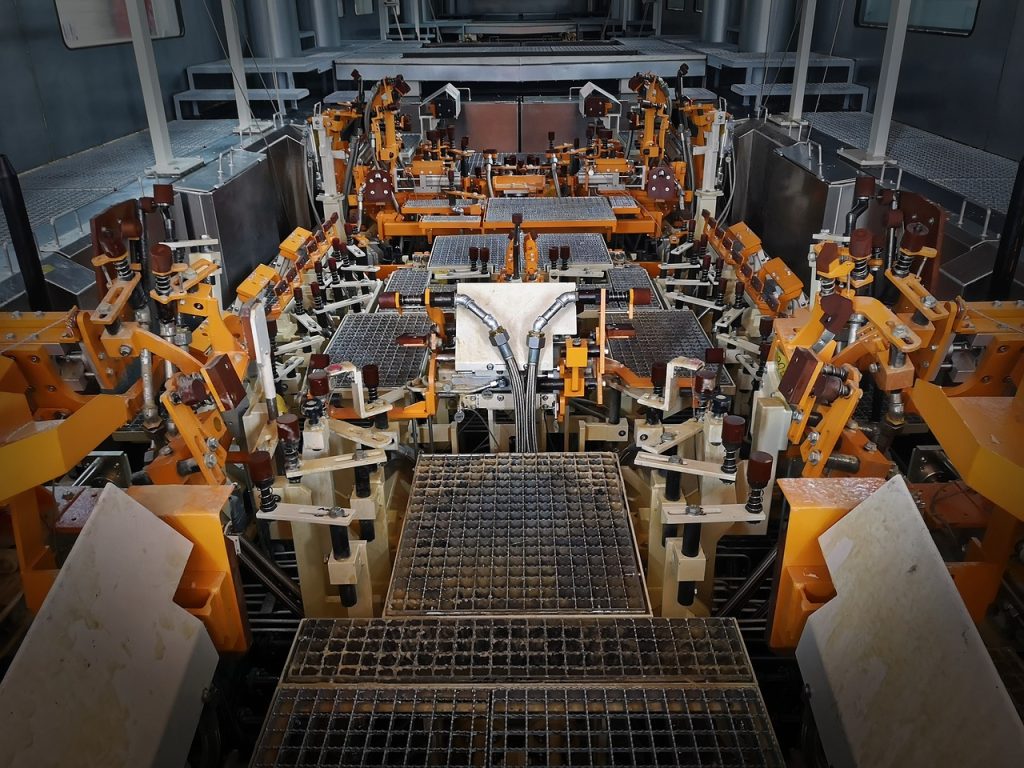
Volpe, along with multiple supply-chain analysts, pointed out that mass-market auto assembly and defence upfitting are completely different ecosystems. Under Stellantis, the Brampton plant was capable of building up to 1,000 vehicles per day. It was also covering dozens of Tier-1 and Tier-2 stamping, seating, glass, and electronics suppliers across Southern Ontario. Roshel’s operating model indicated that even with the most ambitious plans, they’ll be doing two to three vehicles per day.
Unifor National President Lana Payne said that converting a high-volume OEM assembly line into a low-volume defense contract work turns tens of thousands of jobs into a few hundred. This move will hit the local supplier base hard because it relies on high daily run rates to survive.
Roshel projects that the plant might need up to 1,000 workers as it scales up, and I’m sure most would be the ones from Stellantis. The problem is that the number is half of what it was before the company decided to put the plant in the ground.
Utilization Over Rust
On the other side, we have the Wall Street and corporate bunch who view the entire situation through the lens of balance-sheet discipline. With the new FaSTLAne 2030 strategy, Stellantis has been shedding excess US factory capacity after years of bloated inventory and shrinking US market share.
The reasoning from a financial standpoint is that the company has been bleeding money, and as much as I hate it, it does make sense. The factory hasn’t stamped a panel in 3 years, during which time it continued paying supplementary unemployment benefits to the workers. Analysts say that offloading the plant monetizes a standing asset that isn’t bringing in any money and could help with a potential partnership, because Roshel builds its armoured vehicles on heavy-duty commercial platforms, something that Stellantis has.
Roman Shimonov, the CEO of Roshel, pointed this out and argued that critics are ignoring the fact that the factory was idle and now has a chance of being operational again. He said it’s for a better future, not just for the people at the plant but for Brampton, Ontario, and Canada, realistically sounding like a politician. One thing he did admit was that the company cannot absorb the union collective agreement overnight and promised to consider the laid-off workers when the company scales.
Why Offloading Brampton Assembly Hits Harder Than a Normal Plant Closure?
Looking at the entire situation as an automotive enthusiast with some practical experience in the industry, the Brampton saga is frustrating because the plant didn’t fail, Stelantis’ strategy did.
The Brampton Assembly was never a lazy and inefficient relic. For twenty years, the workforce used the LX platform, an aging one from Mercedes, and cranked out some of the most profitable, culturally iconic, and sought-after muscle cars on the planet, and they also did the Chrysler 300. When Stellantis asked the workers to sit tight while the plant got an overhaul, they held up their end of the bargain in good faith.

The thing that makes things worse here isn’t selling the Brampton factory to Roshel. It’s a legit Canadian company, known and successful for what it does, but at the end of the day, the company isn’t a manufacturer. The problem here is selling an OEM assembly plant to a defence upfitter, making this transaction a one-way door. Once Roshel rips out every piece of machinery and replaces it with what it needs, that plant is never going back to making cars.
Another thing that’s concerning is the precedent it sets for public-private industrial deals. Stellantis took millions of dollars from Canadian taxpayers, stripped the factory, decided to break the promise and move manufacturing to the US, and sold the building to a Canadian company. In other words, every future government investment incentive package agreement in North America isn’t worth the paper it’s printed on
Regardless of whether Ottawa’s 30-day default notice forces Stellantis to pay the price for what it did or try to save itself in the eleventh hour, one thing is for sure: the era of the Brampton assembly is over, and considering everything it gave us, I think it deserved a far better ending than a quiet real estate transaction.