OBD Scanner: The Ultimate Tool for Instant Peace of Mind
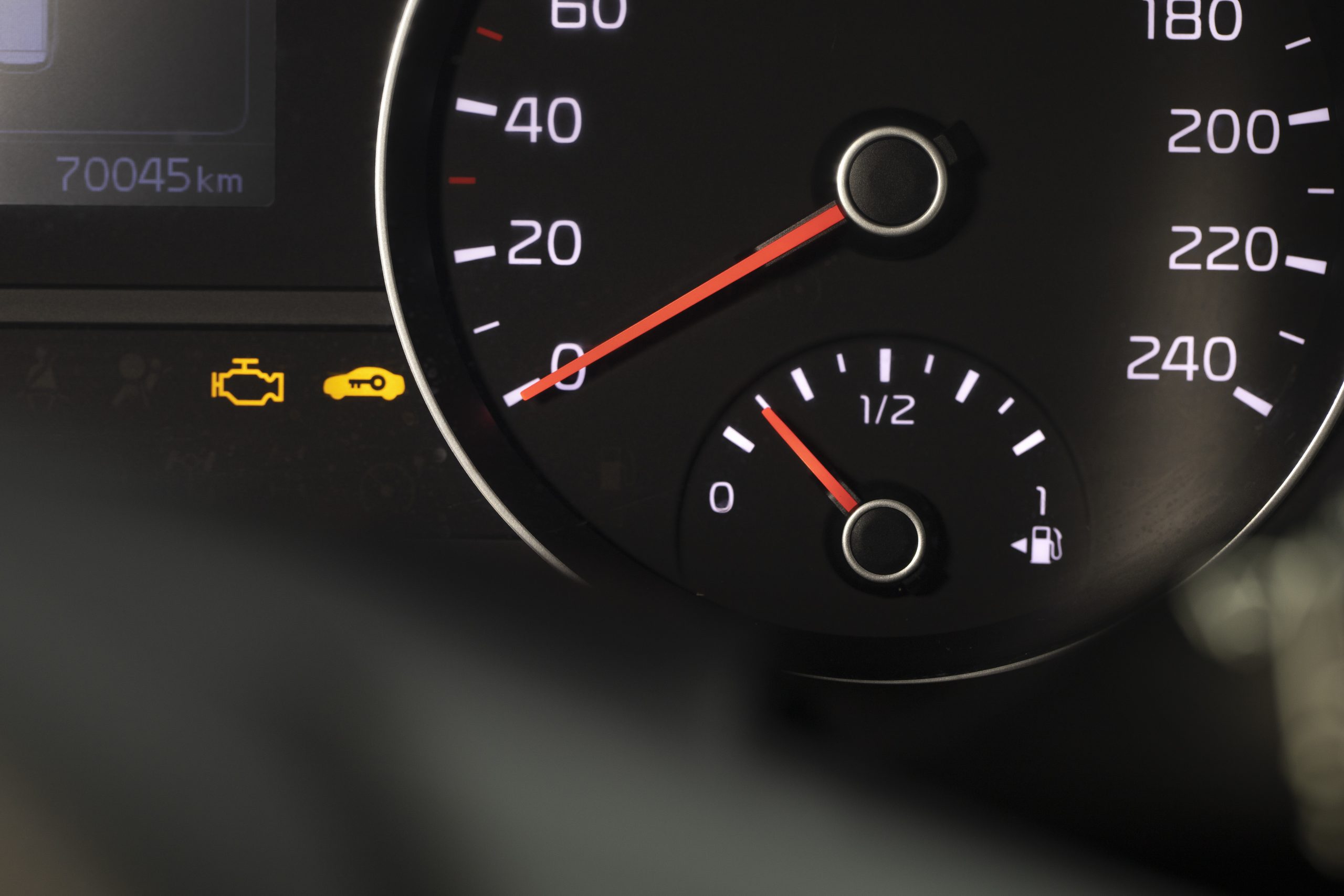
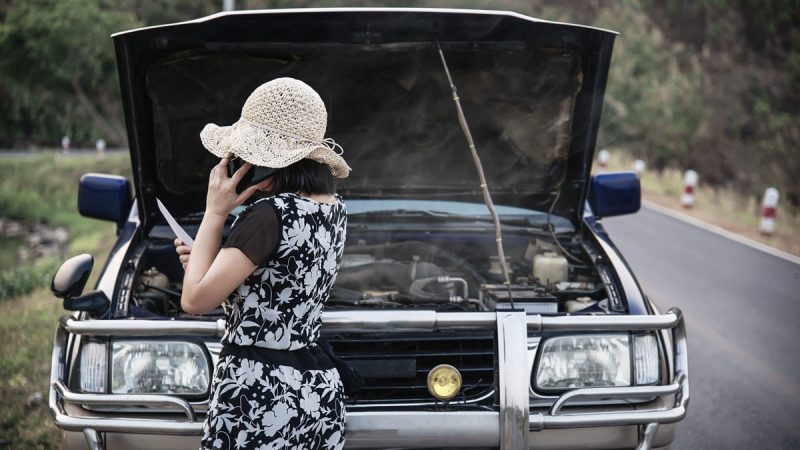
Car ownership means that from time to time, you might get a surprise, like an orange light illuminating your face. That orange light is called the check engine light, and it’s one that brings fear to anyone who sees it. The solution is an OBD scanner.
The check engine light turns on when the car’s computer sees that something is wrong, but this is the biggest problem. That light could mean anything from “it’s nothing” to “time to start thinking about a new engine.” This doesn’t apply to VW owners because on those cars, the check engine light is on from the moment they leave the factory.
The problem with that light is that you can’t tell what it means and why it’s on. Rather than risking a catastrophic malfunction, you’ll want to know what the problem is. The tool that gives you answers to your questions is called an OBD scanner.
What Is an OBD Scanner?
As the name might suggest, it’s a handy little tool used for scanning a car. Modern cars are like computers on wheels, and they’re equipped with a system called OBD or On-Board Diagnostic. It monitors different parts of the vehicle and checks to make sure everything’s running smoothly. If it isn’t, it will send out a warning in the form of a check engine light.
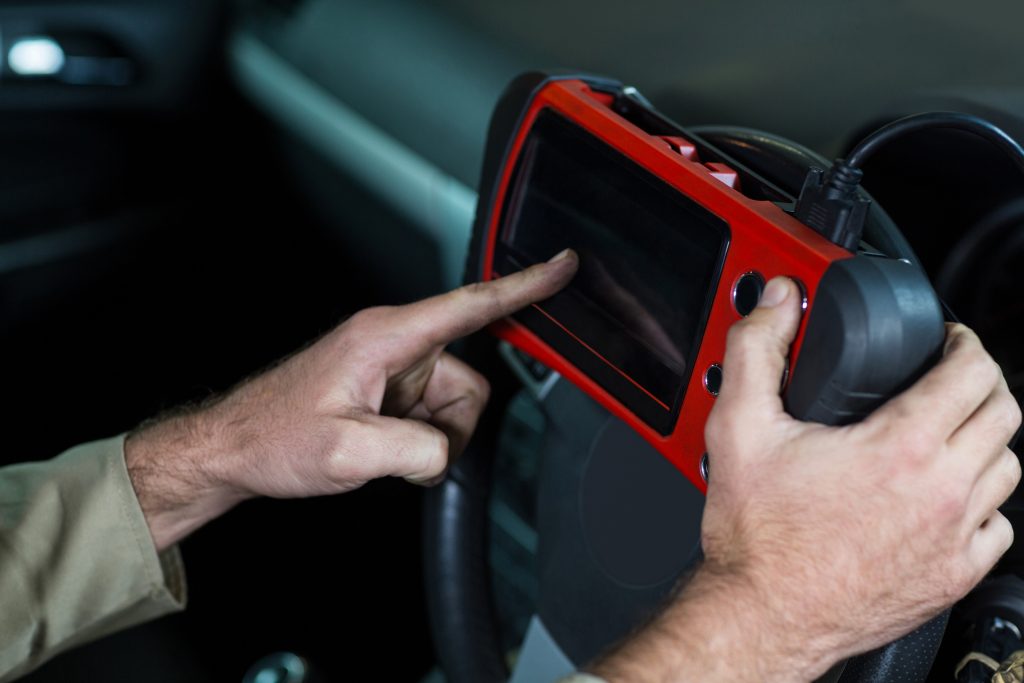
This is where the scanner comes into play. The system stores the fault code, and it’s up to you to find the code to point you in the right direction. With the scanner in your hand, you can grab the code from the system, and you’ll be one quick Google search away from identifying the problem.
Why Do You Need an OBD Scanner?
An OBD scanner is a tool you’ll need to identify issues with your car without going to a mechanic. Note that this tool only identifies, so for some issues, you will still need to go to the mechanic. Let me outline a few scenarios where you’ll want to have an OBD scanner.
The Check Engine Light Doesn’t Show the Severity
The biggest issue with the check engine light is that there’s no way to know how serious the problem is. It can be something simple, like a dirty MAF sensor, or it can be the engine split in two.
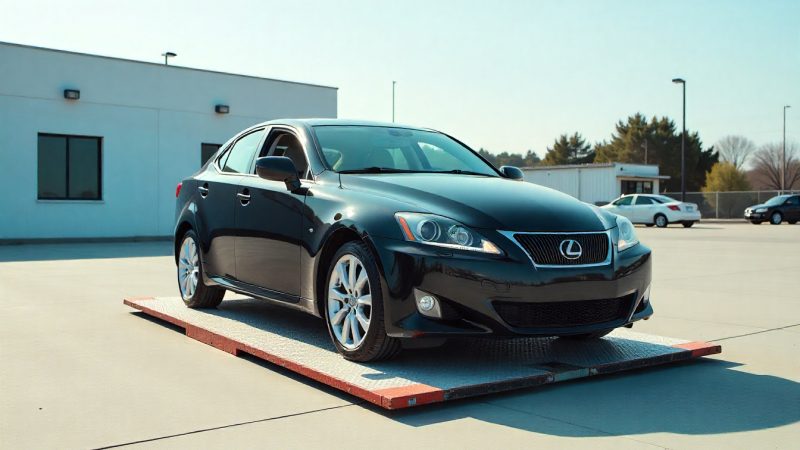
A few years ago, I had a check engine light on my Lexus (yes, the fancy Toyota has that). If I’d taken it into the dealership, I’d have had to wait for a few weeks and would’ve paid a lot. With the power of the OBD scanner in my hand, I found two errors, P0171 and P0174. These mean that both banks of the engine are running lean.
There are a handful of reasons why a car would throw these codes, so I started with the simplest explanation, the MAF sensor. It takes less than a minute to remove it from my car, so after a quick spray with a cleaner and letting it dry, I plugged it in and started the car. Cleared the code, and I was on my merry way, and haven’t had an issue like that ever since.
Keep in mind that if this weren’t the case, I would’ve had to start looking into other things, and if I ended up dealing with something way over my head, the trip to the mechanic would’ve been inevitable. It’s also important to note that the cost for this was a couple of bucks for the cleaner, which is a lot less expensive than having a mechanic look at it.
Monitoring Your Car’s Health
An OBD scanner isn’t just for when you’re having issues, and you need to find out what the issue is. it’s also a good thing to have just to keep an eye on your car and how it performs. Almost all modern scanners come with a live data option, so you can monitor most of your car’s sensors and check whether the parameters are within normal ranges.
For example, your temp gauge is a gauge, and most cars don’t have a display to show the exact temperatures. With an OBD scanner, you plug into the car’s computer and read whatever it reports, including the temp sensors. You can see at which point the fans kick in to keep things cool, and can potentially help you identify a failing thermostat before it completely fails.
Another good example, at least in my case, is the transmission temperatures. An automatic transmission, like the one I have, can struggle in stop-and-go traffic, so keeping an eye on the temps is a good idea. If I notice them creeping up above the point I’m comfortable with, that means there’s an issue I’ll need to investigate.
I’m mentioning again that the entire point of this is to identify a problem before it becomes serious.
Check Out That Used Car You Want to Buy
A car may look as good as new on the outside, but it can hide a lot of things that most people fail to check. Apart from the usual things you should check before buying it, running it with an OBD scanner is something I always recommend.
You might see no check engine light on the dashboard and think it’s all good, but you don’t know if the seller cleared the codes minutes before you arrived. This means that the light won’t come on until the next time the computer notices an issue and reports it to you.

This is where the trusty OBD scanner comes into play. Depending on the scanner and car in question, you might not be able to see everything, but at least you’ll know if something’s been happening recently and ask the seller about it. Even if there isn’t anything worrying, just looking at the live data can show you how the car is running.
What Is the Best OBD Scanner to Get?
This is where things get complicated, and some might say I’m full of baloney. For the average person who’s just looking to get an OBD scanner, going for the expensive ones isn’t what I’d recommend. I’m not saying they’re bad, far from that, but it’s an investment that’s not quite worth it.
If you’re looking just to read live data, codes, and clear them, most affordable OBD scanners would do the job marvelously. They cover engine, transmission, ABS, airbags, and a few more essential modules, so you won’t feel like you’re missing out on anything.
With that said, there are certain manufacturer-specific things that you should consider and maybe get some of the more expensive scanners. I’m still not talking about those that shops and dealerships have. There are some mid-range models that can offer more than just scanning and reading live data. Some models offer bidirectional communication, meaning you can customize and tweak.
Another thing to consider is going for a Bluetooth of widers scanner. Both work well with the wider one being just a bit more practical, as you don’t have to worry about connectivity issues with your phone or figuring out which app to use.
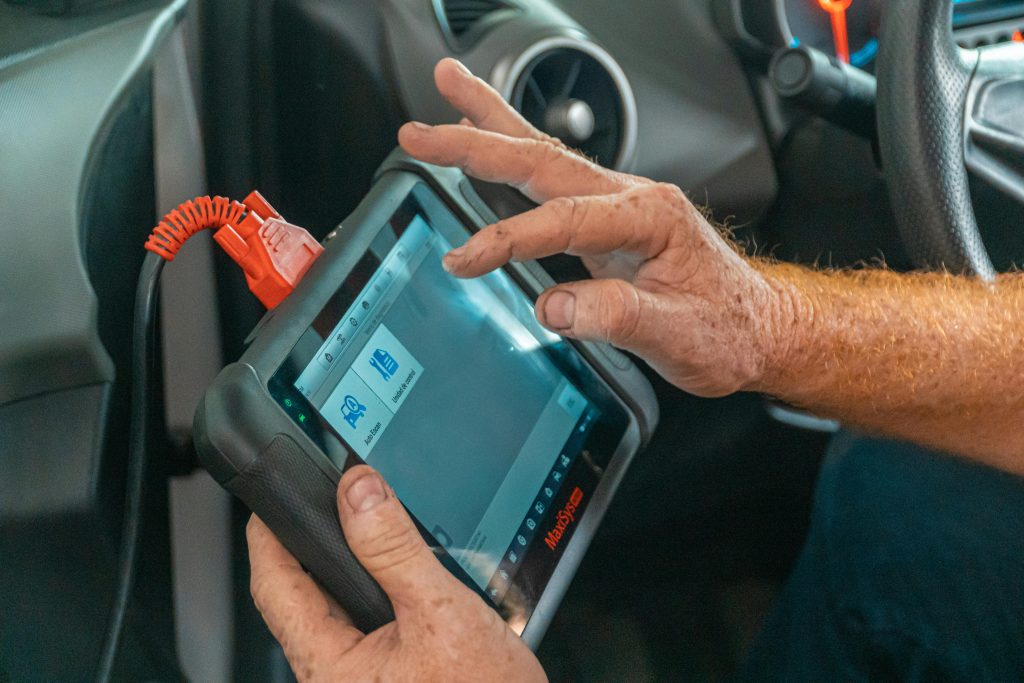
Overall, for the absolute beginner in this, I would go with some universal options if you just want to scan and clear codes. Most of them work well and won’t cost you too much. I have two cheap generic scanners, and I’ve scanned a ton of cars and haven’t had any issues, as long as I’m after some generic codes.
FAQs
Will an OBD Scanner Work on Any Car?
An OBD scanner won’t work on any car. For the most part, the scanner will work on cars from the late 90s or later, because this is the time when they came equipped with the diagnostic system. Cars before that don’t have it, so there’s no way to read codes from them.
Does Clearing the Codes With the OBD Scanner Solve the Issue?
In most cases, clearing the codes with the OBD scanner won’t solve the issue. All it does is turn off the check engine light, but the problem is still there, especially if it’s a mechanical one. This means you’ll need to fix whatever’s wrong with the car and then clear the codes.
Can an OBD Scanner Show the Real Mileage of a Car?
The generic and cheap OBD scanners won’t show you the real mileage of the car if you suspect the odometer has been rolled back. For that, you’ll need some of the more expensive scanners used in mechanics’ shops.
Does an OBD Scanner Void the Warranty?
An OBD scanner doesn’t void the warranty, as long as you use it for reading the codes. If you start to clear them or make some customizations, the dealer might see this as an issue and void your warranty, especially if any kind of tweaks result in a problem.
Where Is the Port for the OBD Scanner?
The port for the OBD scanner is always on the driver’s side under the dashboard. It’s tucked away, so you’ll need to get down there and look for the port or a cover with the same shape as the scanner plug. You could also check the car’s user manual for more information about the location.