How to Tell if Your Brakes Need Replacing
A car consists of multiple systems that all serve a purpose. Out of all of them, the brakes are essential because they’re directly related to your safety. They help you stop, and ensuring they work properly means you need to make sure they’re in the best shape possible.
You think they’re fine, and you just keep on driving. In reality, you’re ignoring the inevitable, which could lead to more serious consequences. Failing brakes are a bad thing to happen, especially as you’re driving, trust me, I know.
This is where this article will help. I’ll go through all the signs to look for those that will help save money and make your driving experience safer.
Common Signs Your Brakes Are Wearing Out
Driving a car with limited stopping power is scary. The good news is that there are a couple of signs to look out for that will show you that you need to replace your brakes.
- Screeching or squealing
- Grinding
- A vibrating or pulsating feel on the brake pedal
- Your car pulls to one side when braking
- The pedal feels weird
- Longer stopping distances
- The brake light is on
What Each Warning Sign Means
I showed you the signs, but now let’s discuss each one to know what to look for and to know what could be the culprit.
Screeching or Squealing
The most common sign most people fail to notice is when they hear some kind of high-pitched sound. It doesn’t matter if it sounds like a piglet or a banshee, it means that you should start planning for a service.
This kind of noise usually indicates that your pads are worn and should be replaced. In some cases, it could also mean that the thickness of the brake rotors is low. Hearing that kind of sound means you should schedule an appointment with a mechanic to have the inspection and replacement if necessary.
Grinding noise
If you decide to ignore the screaming or squealing for long enough, you’ll unlock a different kind of tune. Grinding noise happens often when the pad material is completely gone, and you’re having metal-on-metal contact.
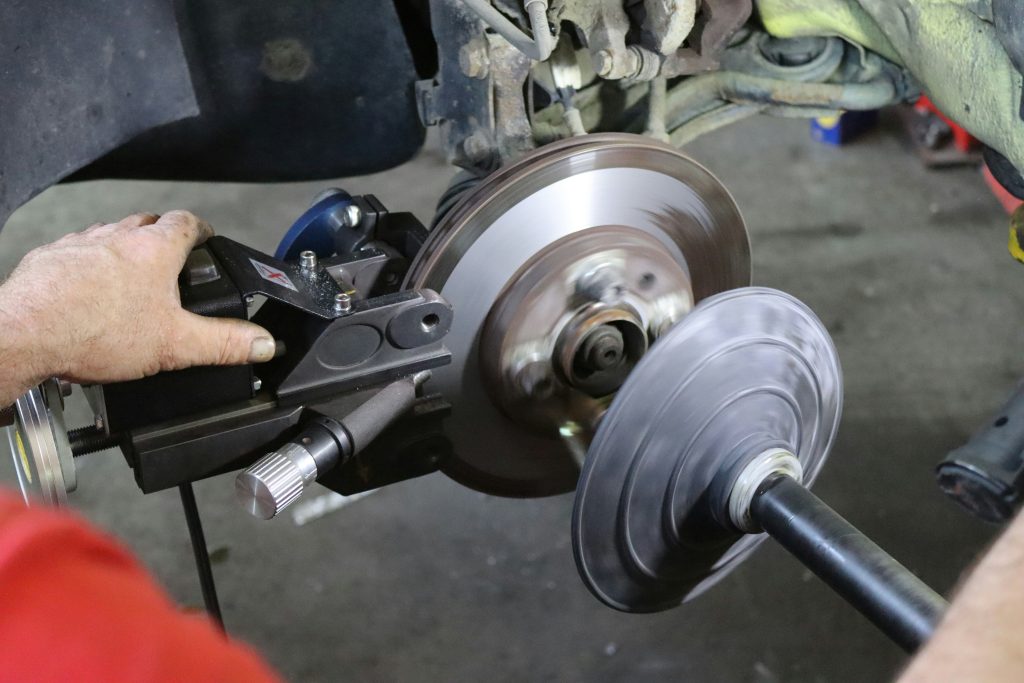
Another situation when you hear this noise is if you leave your car parked for a long time. Under certain conditions, you’ll begin to see surface rust on the rotors. It’s not a massive problem if the noise goes away after a couple of miles, but if it persists, then you’ll need to have them inspected and replaced if necessary.
A vibrating or pulsating feel
In an ideal situation, whenever you’re braking, the pedal should feel steady and firm. If you’re experiencing vibration or pulsing, it could mean one of two things. The first one is that the ABS kicked in and prevented the wheels from locking up, which is not an issue. The second one is.
If the brake pedal feels like it wants to massage your foot, it means you’re looking at either warped rotors or uneven wear. Both of these are bad not only because they put strain on additional parts, but also because you’re not getting the best stopping power the brakes can offer.
Your car pulls to one side when braking
If the braking system on your car works as it should, then whenever you press the pedal, the car should remain straight. If you notice it pulling to one side or the other means you have a problem, and you’ll need to have them inspected.
This is a bit problematic because there are several reasons why you might experience this. It could be uneven wear between the left and right pads. It could also indicate an issue with the caliper, such as a seized piston. Another reason why you might experience this is if there’s an issue with the brake lines and not every corner braking with the same force.
The pedal feels weird
If you have owned your car for a while, you probably have an idea of how the brake should feel when braking. The feel might change over time, but a drastic change means you’ll need to look into the brakes.
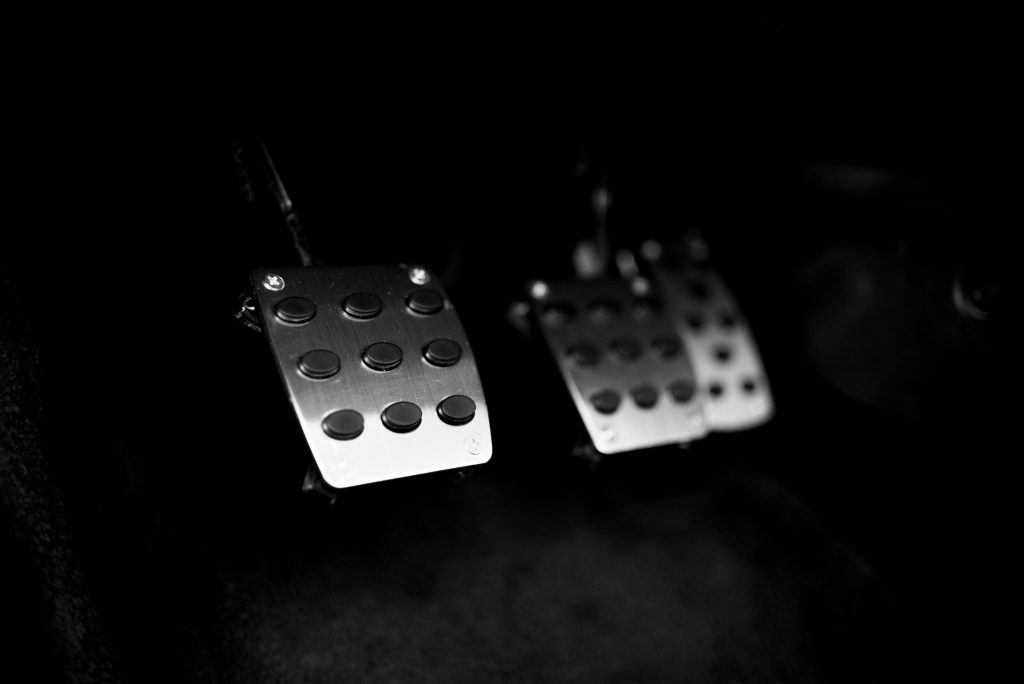
A soft brake pedal, spongy feel, or the car starting to brake when the pedal is way too low usually means you have a fluid issue. The reason is that you’re low on brake fluid, which often means a leak or air in the system. Both are urgent, you need to make sure you have it checked out as soon as possible.
Longer stopping distances
This one needs absolutely no explanation, but it’s still a good idea to mention it. Whenever you notice braking distances are longer than before or than you expected, it means there’s an issue with the brakes, and you need to check them out.
The brake light is on
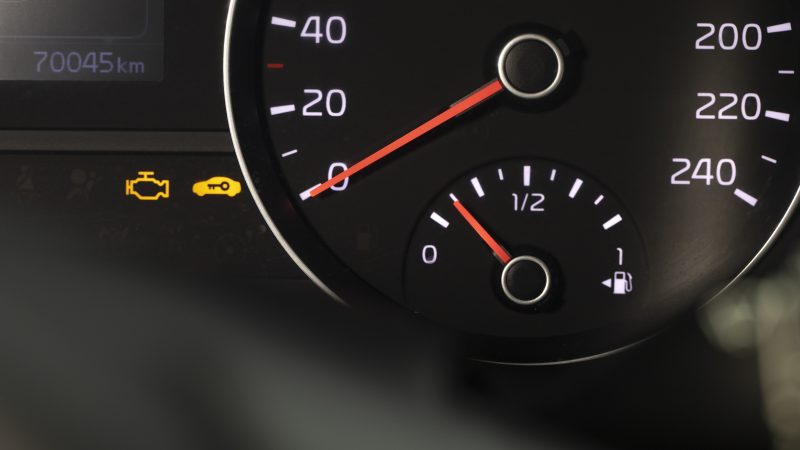
Most cars these days have a brake light on the dashboard, and whenever you see it, it means there’s an issue with the braking system. Similar to the check engine light, this is a pretty broad error, so if you see it, you should head over to the mechanic to have the system inspected.
How to Check Your Brakes Yourself
Having an issue with the brakes means you need to inspect it. The good news is that you can make some inspections at home without taking it to the mechanic.
- Inspect the pads: Look through the spokes of the wheels to see how thick the pads look. If you don’t know how it should be, you can look up images online to know what to look for.
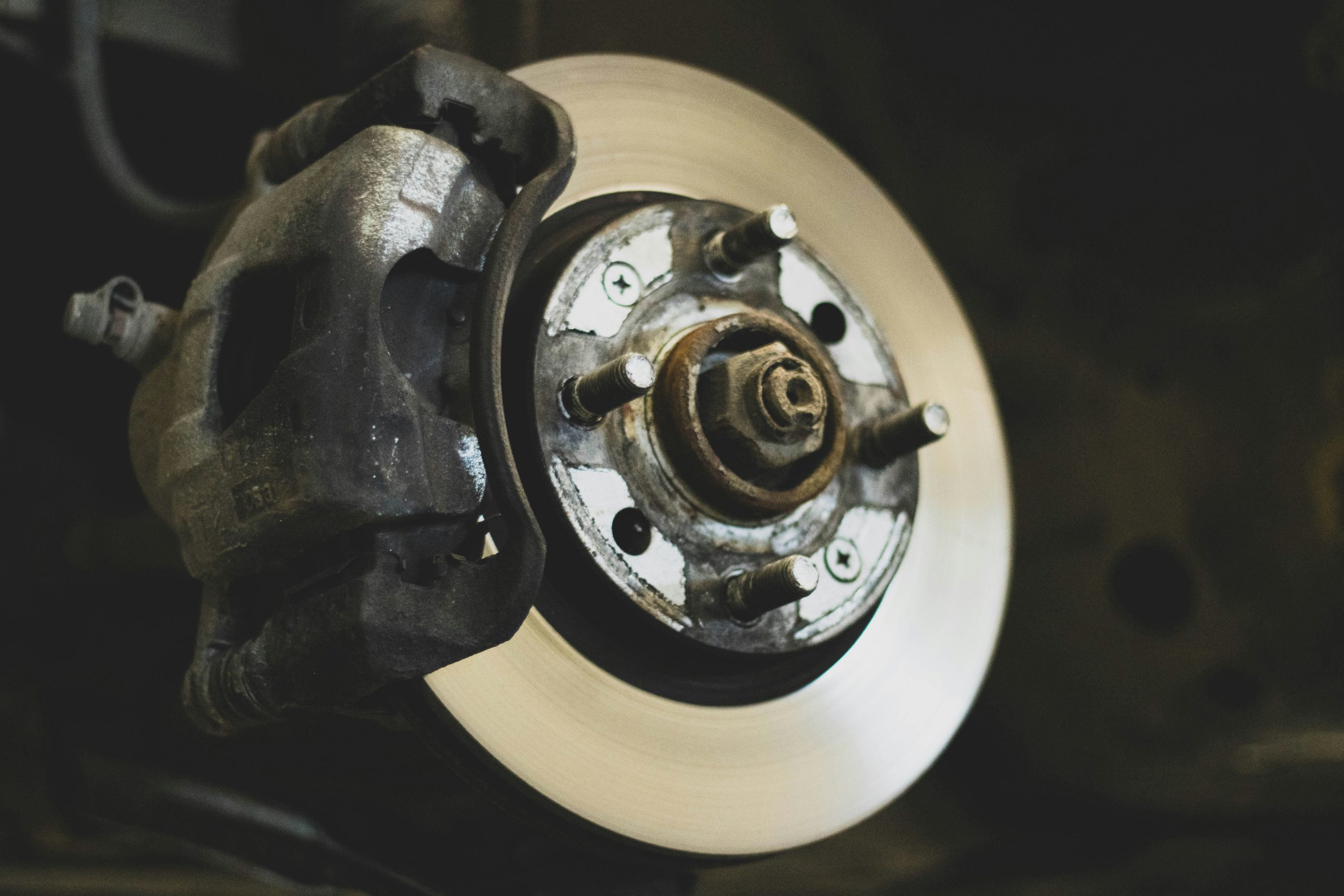
- Inspect the rotors: While you’re looking at the pads, you can check out the rotors as well. Look for rust that is more than just on the surface. You should also check for deep grooves, cracks or a thin rotor.
- Check the brake fluid level: Pop the hood and look at the brake fluid reservoir. The location depends on the model you have, so check the user manual to know where to look and make sure it’s not below the required level. Also, you might want to check the color. Dark brake fluid means that you need to consider replacing it.
When Should You Stop Driving?
You’ll hear some noises that might be an immediate concern, but others aren’t a major issue. It’s essential to know how to tell the difference and know when to stop driving and head straight to the mechanic.
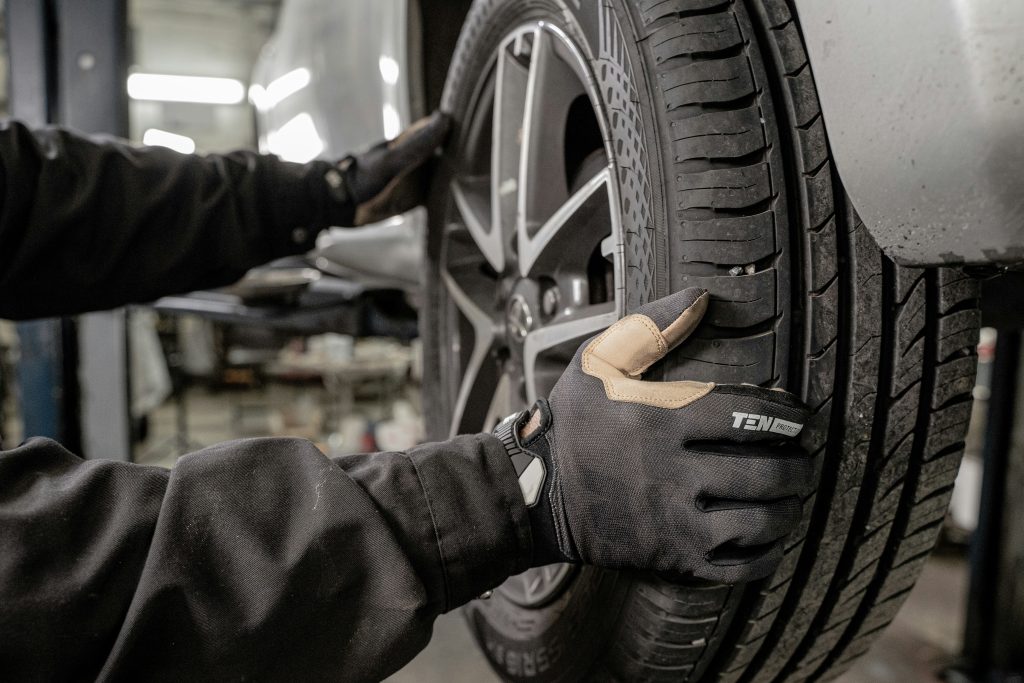
Grinding, no braking power, a pedal that falls to the floor, or extreme vibrations are signs that you have an issue that needs immediate fixing. These are a problem because you’re sacrificing your safety and the safety of others.
What Happens If You Ignore It?
Ignoring some of the noises your car makes when you’re braking is a problem waiting to happen. What starts off as a problem that you need to pay attention to can lead to a safety issue, along with increased costs when the time comes to start making the repairs.
For example, if the brakes begin to squeal, you’ll need to replace the pads. If you ignore that for long enough, you’ll end up risking damaging the rotors, which cost a lot more than a regular pad replacement.
Conclusion
Brakes are one of the most essential parts of any car, so it’s very important to work properly. Not only will it help you avoid expensive repairs in the future, but it will also make sure you and your passenger are safe.
Don’t ignore those sounds and make sure your brakes are in the best shape possible.
FAQs
How Often Do Brakes Usually Need Replacing?
If you look online, you’ll find a wide range, and that’s for a good reason. The driving style will dictate how often you’ll need to replace your brakes. City driving puts a lot more strain on the brakes than driving on the highway because you’re using them a lot more.
Can I drive with worn brake pads?
You can drive with worn brake pads, but there’s a big caveat. It’s not something I’d recommend, but do it only if you must, and don’t drive too much. The braking properties are limited, so it’s not the safest thing in the world.
Do squeaky brakes always mean they need replacing?
Squeaky brakes don’t always mean they need replacing because sometimes the noise is due to dust or dirt. If the noise goes away quickly, then it’s not too concerning. Yes, you might want to inspect the pads just in case, but it doesn’t necessarily mean you’ll need to start thinking about replacing them.
Can I replace the brakes myself?
You can replace the brakes yourself, but it’s not the most straightforward thing to do. You’ll need the right tools and some basic mechanical knowledge to do a proper job. If you’re not sure or don’t have the tools, take it to a mechanic.